Optimal Timing for Water Treatments
Proper timing of water treatments is essential for maintaining water quality and system efficiency. The optimal period varies based on water usage, seasonal changes, and water source conditions. Regular assessments help determine the most effective schedule for treatment applications.
Spring is ideal for water treatments due to increased water flow and the need to prepare for higher usage during warmer months.
Fall treatments help prevent buildup of contaminants and prepare water systems for winter conditions.
Applying treatments before peak usage seasons ensures water quality remains optimal during high demand periods.
Treatments immediately after system installation help establish a clean, balanced water environment.
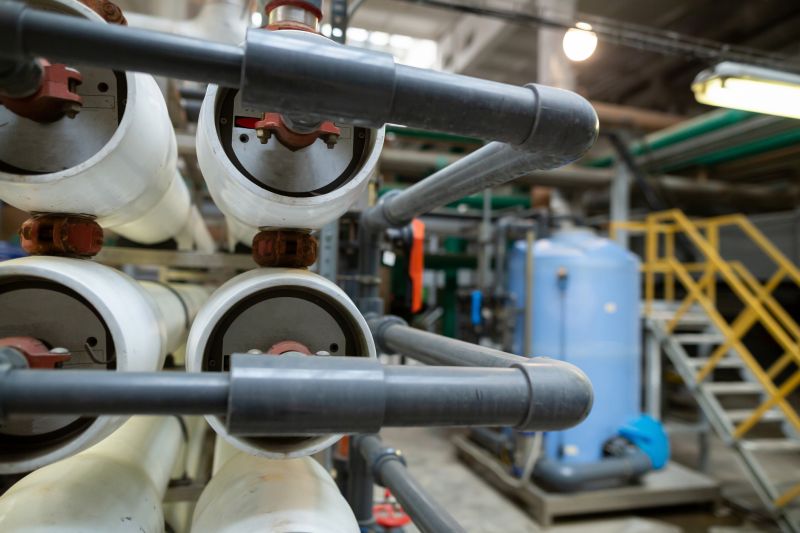
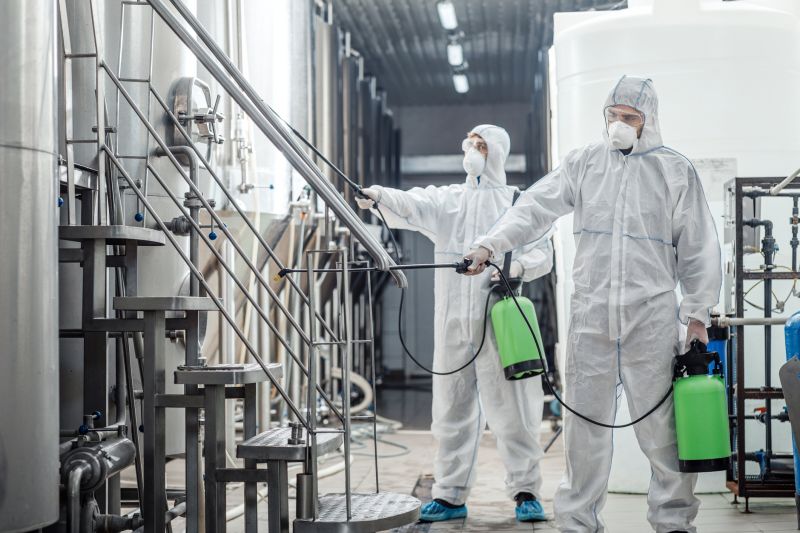
Industrial and residential water treatment systems in operation.
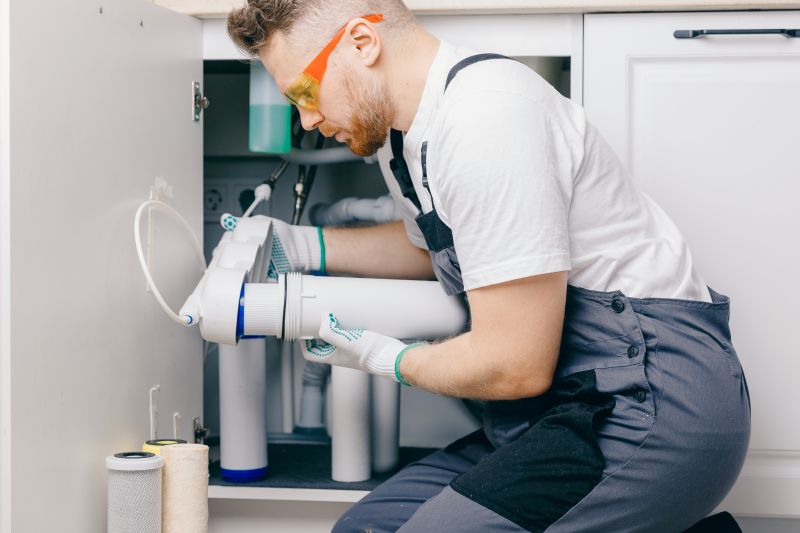
Samples being analyzed to determine treatment needs.

Chemicals being added to water systems for purification.
Ways to make Water Treatments work in tight or awkward layouts.

Popular materials for Water Treatments and why they hold up over time.

Simple add-ons that improve Water Treatments without blowing the budget.
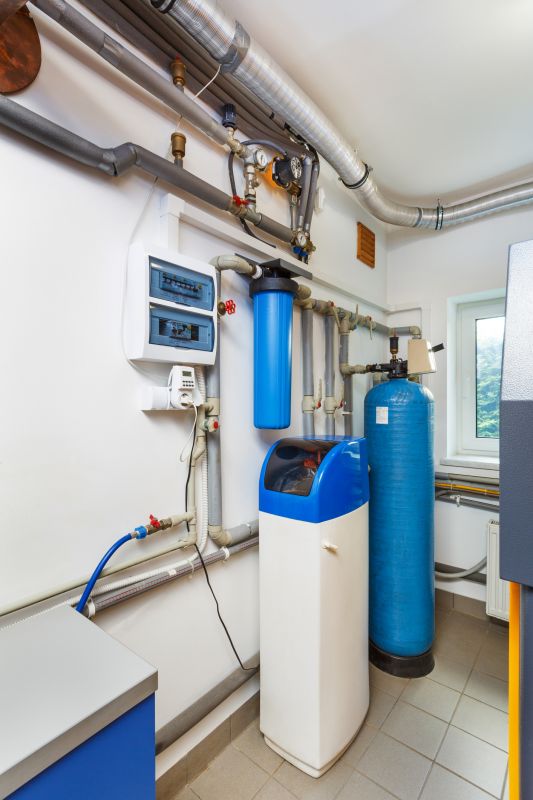
High-end options that actually feel worth it for Water Treatments.
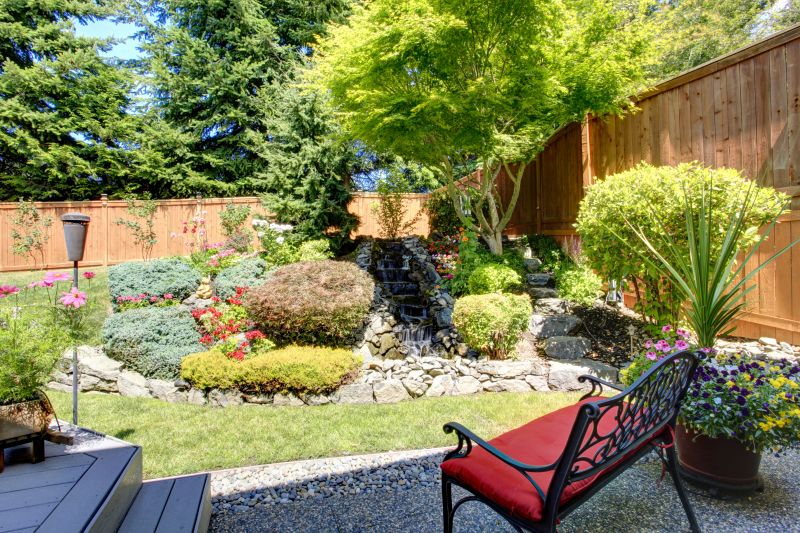
Finishes and colors that play nicely with Water Treatments.
| Season/Timing | Recommended Treatment Focus |
|---|---|
| Spring | Prevent algae growth and prepare for increased usage |
| Summer | Maintain water clarity and control bacteria levels |
| Fall | Prevent buildup and prepare for colder temperatures |
| Winter | Ensure system protection against freezing and stagnation |
| Post-Installation | Establish clean water conditions |
| Routine Checks | Monitor and adjust based on water quality tests |
Water treatments encompass a variety of processes designed to improve water quality, control contaminants, and protect water systems. These treatments include chemical dosing, filtration, disinfection, and pH adjustment. Proper timing enhances treatment effectiveness, reduces maintenance costs, and ensures safe water supply for residential, commercial, or industrial needs.
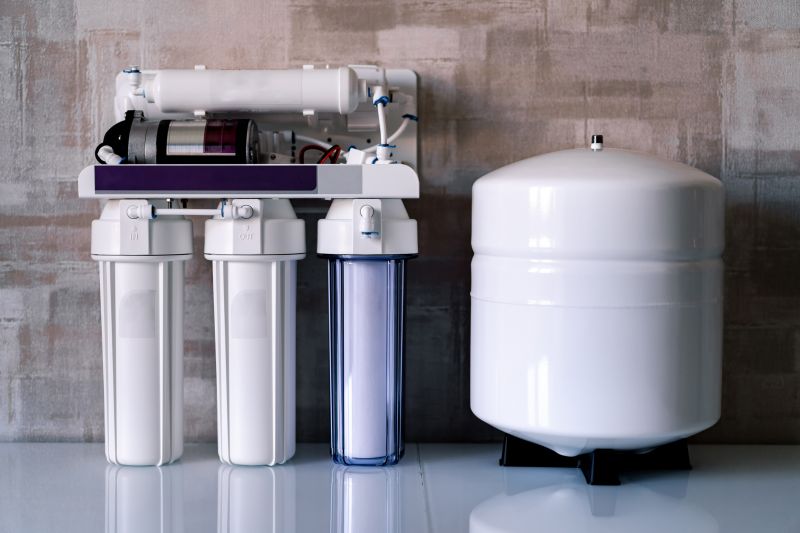
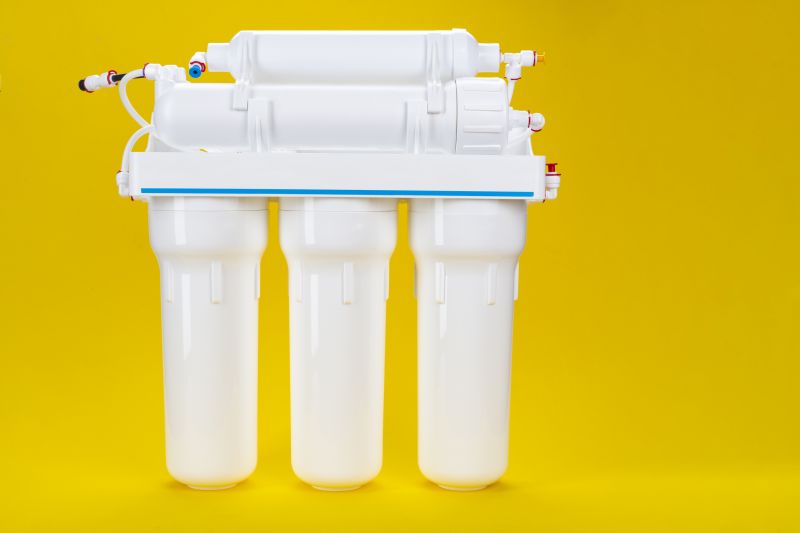
Filters, chlorinators, and control panels.
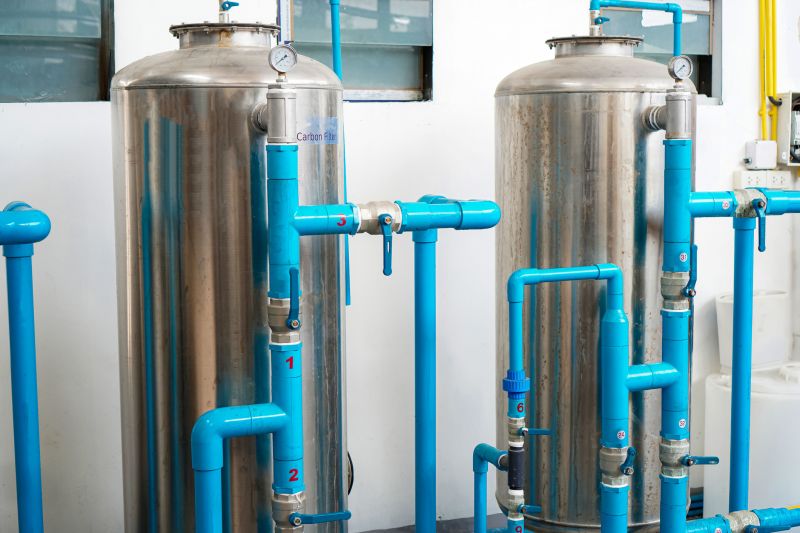
Precise chemical addition for water purification.
Laboratory and on-site testing procedures.
Use of UV or chemical disinfectants.
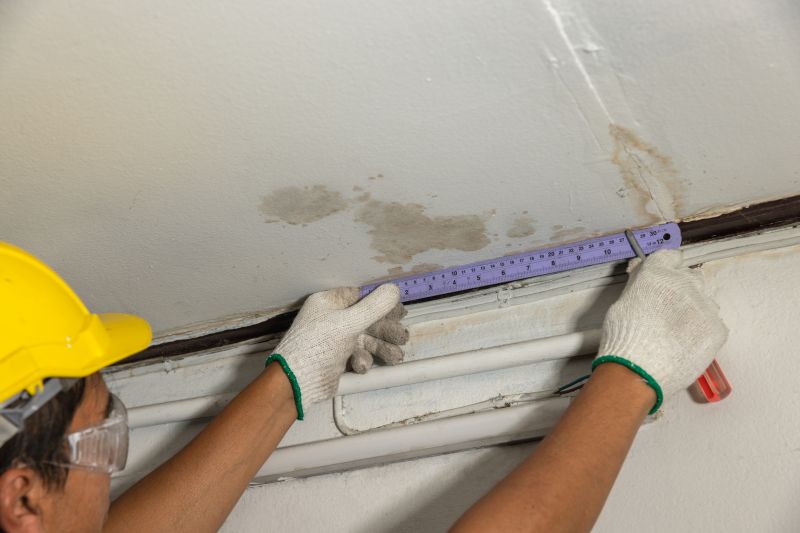
Little measurements that prevent headaches on Water Treatments day.

A 60-second routine that keeps Water Treatments looking new.
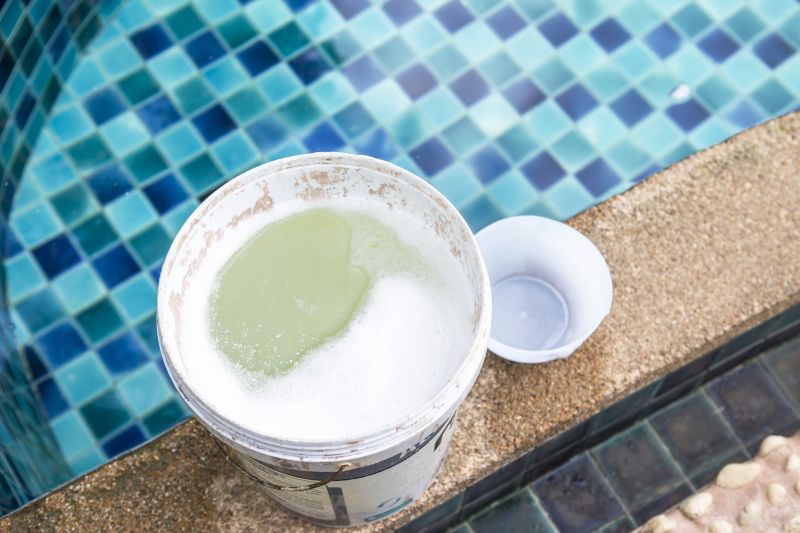
A frequent mistake in Water Treatments and how to dodge it.
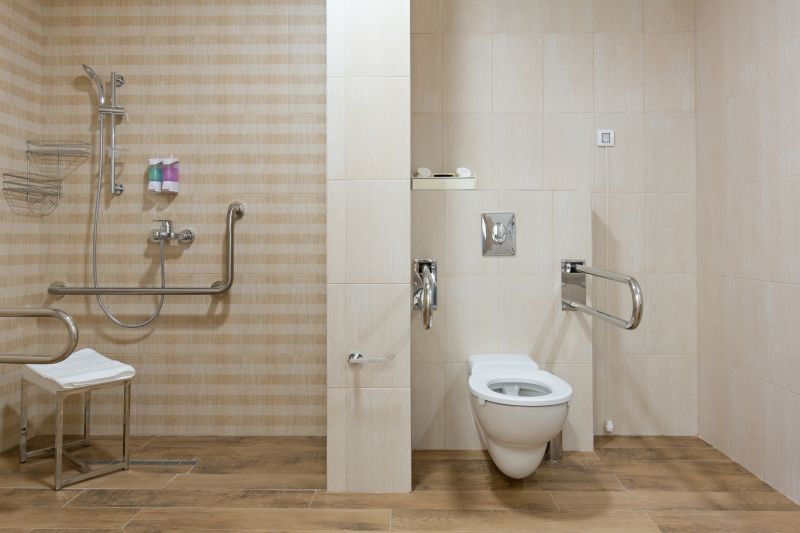
Small tweaks to make Water Treatments safer and easier to use.
Effective water treatment scheduling depends on water source quality, system type, and usage patterns. Regular testing and system inspections help determine the best times for treatment interventions. This approach ensures continuous water safety and system longevity.
Regular testing helps identify when treatments are needed.
Applying chemicals at optimal times ensures maximum effectiveness.
Adjust treatment schedules based on seasonal water demands.
Routine inspections support timely treatments and system health.
Interested parties can contact to discuss tailored water treatment schedules that meet specific needs. Proper timing and application of treatments contribute to maintaining high water quality standards and system efficiency.